
Lessons from the L̶o̶v̶e̶a̶b̶l̶e̶ ̶L̶o̶s̶e̶r̶s̶ by Nate Eads
Submitted by Moller Financial Services on November 16th, 2016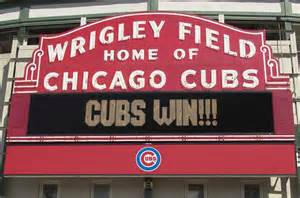
For those who have been reading our newsletter since 2009 or before you may recall that Jack’s dad, Bill Moller, was often a contributor. In addition to always providing interesting insights or opinions on the markets, Bill often expressed in his writings his continued belief in and on occasion frustration with, the Chicago Cubs. Looking back at one of his articles from late 2008 he was pointing out how his patience with the Cubs may finally pay off as the Cubs were looking like a real contender. He then tied this in with having patience with the market. While he ended up having to have to wait just a few more months on the market, it took another eight years with the Cubs. The key however, was that his patience did pay off.
So what can investors learn from the current Cubs? I don’t think the best lessons came from the high profile players with their immense talents and clutch performances, but rather from someone who many feel was ultimately responsible for winning the championship, president of baseball operations Theo Epstein.
When Theo arrived in Chicago in 2011 he said from the beginning that it would take time and success doesn’t come overnight, but instead that fans needed to be patient and he had a plan. Nothing can be truer about successful investing. While on occasion there are those that make their fortune by hitting a homerun with a single stock, in reality most wealth is grown over time and is the result of a disciplined saving and investing plan. When a plan is in place, investors and baseball executives alike are able to see the bigger picture, have an end game in mind, and hold themselves accountable to achieving smaller benchmarks along the way.
Theo’s plan for the Cubs shared many traits with a successful investment/financial plan. Both include some amount of sacrifice. The Cubs suffered through several losing seasons as they worked on building up their minor league system while letting go of higher priced players. In order to stay financially on track, sacrifices such as not buying the biggest house on the block or limiting extravagant vacations allow disciplined investors to put money away and invest for future needs. Just as the Cubs emptied out most of their best major league talent and focused on developing a core of young, dynamic everyday players, savvy investors look to build the core of their investment portfolio utilizing well diversified mutual funds/ETFs as the foundation of their plan.
One of the characteristics used to describe Theo Epstein is his ability to balance and control emotions. I would guess that having a plan in place helped him maintain this balance during the ups and downs of overseeing an entire organization. Midway through this past season it was apparent the Cubs needed some help in the bullpen, specifically with a closer. While there were several teams willing to deal with the Cubs, almost all wanted a core piece of Theo’s plan, injured player Kyle Schwarber. While the Cubs record showed they were one of the best teams in baseball and had a chance to win it all this year, Theo didn’t let his emotions take over and make a move that veered significantly from his plan. Instead he held onto one of the core players and stayed with his long term approach. We have, probably ad nauseam, written of the importance of keeping emotions in check when investing. However, studies continuously show that investors’ behavior, most often tied to their emotions, are the reason behind sub-par returns and not achieving their financial goals. I don’t think there is any better investment advice than to have a plan in place that forces you to keep your emotions out of your investment decisions. As anyone who watched the World Series is aware, Schwarber would return to join the Cubs during the final stages of Theo’s plan and become an important piece of them winning it all.
While Theo’s plan helped him keep his emotions in check, he also understood that the plan needed to be fluid and allow for change along the way. Again, as the Cubs were nearing the trade deadline they knew they could benefit from obtaining a closing pitcher, a position they hadn’t successfully developed on their own. Knowing this could be a key to success; Theo went out and traded for Aroldis Chapman. While the Cubs did have to give up some of their young talent to obtain the hard throwing Chapman, Theo saw an opportunity to bolster their chance for success without giving up too much. Good investment strategies work the same way. Finding alternative investments that complement the core of your portfolio can provide better long-term returns while not exposing your strategy to too much risk. As innovations to investing continue, such as the creation of Exchange Traded Funds and Fundamental Indexes, successful investors will adapt if these innovations can provide value and increase their chance for success.
Finally, one of the most refreshing attributes Theo, and the Ricketts ownership for that matter, brought to the Cubs was a positive attitude and their ability to ignore the negativity and noise. As Cubs fans are well aware, there has been a long standing belief that the Cubs were cursed and many embraced the “loveable losers” mantra. Cubs’ management had to fight the old traditions of the organization such as rooftops, limited advertising in the stadium, and keeping the park nostalgic, which in a big way meant out-of-date. Instead of staying with the status quo the new leadership didn’t accept that the team was cursed and kept looking at how they could evolve the organization and make it better. They looked for opportunity in everything and created a whole new culture focused on always improving and positivity. I believe the most successful investors share these same attributes. They don’t get caught up in the noise of the talking heads on MSNBC, CNN and Fox News. They understand that the economy and markets cycle through both good times and bad and will continue to do so. Natural disasters, breaking news, and political figures do not by themselves dictate the long-term outcome of the markets. Instead, ownership of good companies where innovation and efficiency continue to be rewarded is how wealth is built and maintained.
So congratulations to the Cubs, Bill, and the millions of fans. Patience and the plan finally paid off!
